Walk through any established suburb in Australia, and you’ll notice something interesting. Houses that were clad in timber weatherboards twenty years ago are now sporting vinyl. It’s not just a trend, there’s a genuine shift happening in how people approach their home’s exterior, and it comes down to some pretty practical reasons.
Timber weatherboards have been the go-to choice for Australian homes since forever. They look great, they’re traditional, and they give houses that classic character everyone loves. But here’s the thing: maintaining them is a whole different story. Anyone who’s owned a timber-clad home knows the routine. Every few years, you’re out there scraping, sanding, priming, and painting. And if you’re paying someone else to do it? That bill adds up fast.
The Maintenance Reality Nobody Warns You About
The problem with timber isn’t that it’s a bad material; it’s that it’s a living material. Wood expands when it’s wet, contracts when it’s dry, and all that movement creates cracks where moisture gets in. Then you’ve got the Australian sun beating down on it, which fades the paint and makes the timber brittle over time. Add in some humidity or coastal salt spray, and you’re basically in a constant battle to keep things looking decent.
Most timber weatherboards need repainting every 5-7 years. That’s not just a weekend project with a roller and some leftover paint. You’re looking at proper preparation, primer, multiple coats, and probably a few repairs where boards have started to rot or warp. Professional quotes for a standard three-bedroom house usually start around $8,000 and go up from there. Do that three times over twenty years, and you’ve spent more than many people pay for a whole cladding replacement.
Vinyl changed this equation completely. The material doesn’t rot, doesn’t need painting, and handles Australian weather conditions without the constant maintenance cycle. That’s why homeowners who’ve dealt with timber for years often make the switch when it’s time for a refresh. Companies offering weatherboard cladding in vinyl have seen demand grow steadily as people realise the long-term cost difference.
What Vinyl Actually Gets Right
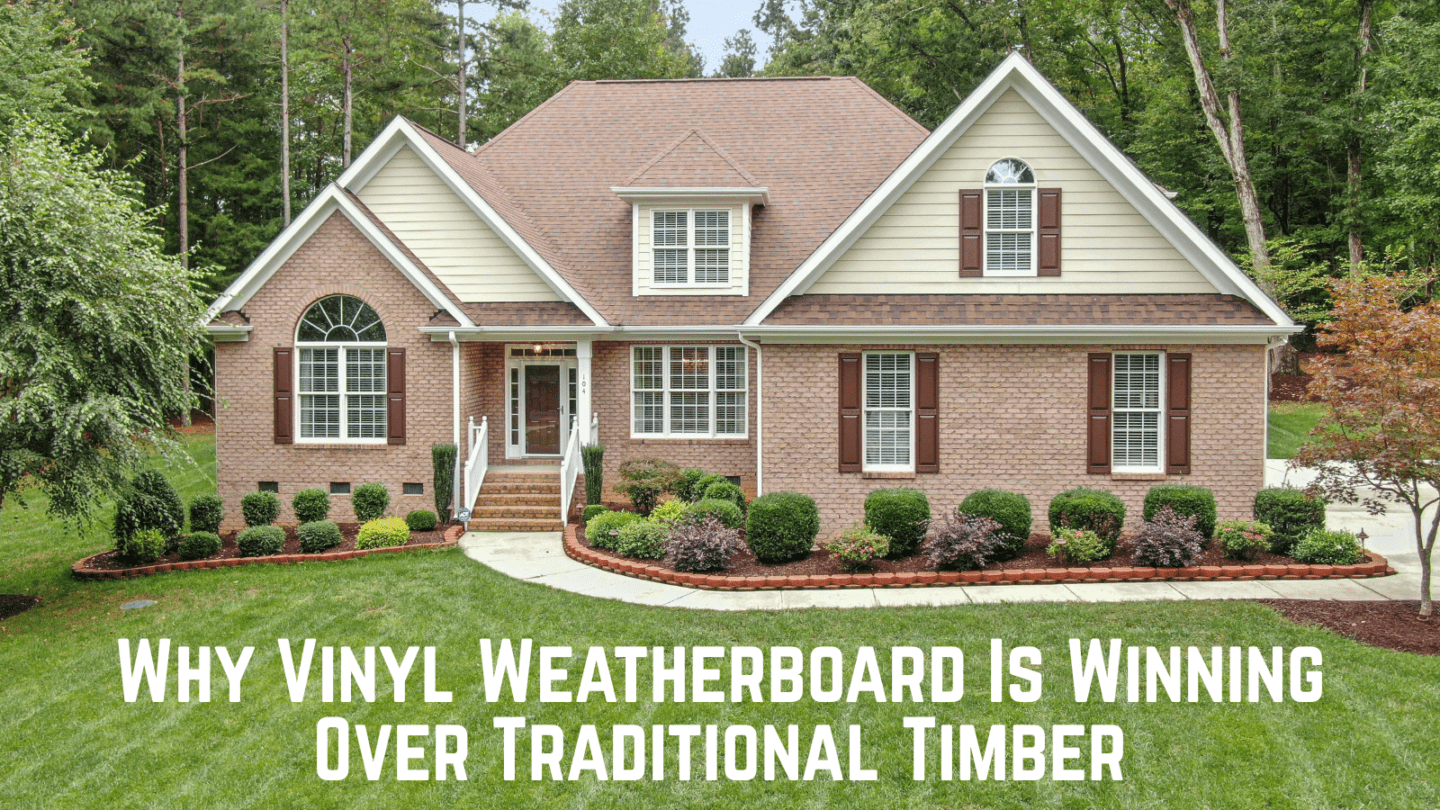
The appeal isn’t just about avoiding maintenance, though that’s a big part of it. Vinyl weatherboards have improved dramatically from the early versions that looked obviously plastic. Modern profiles mimic traditional timber boards convincingly, with textures and shadow lines that replicate the real thing. From the street, most people can’t tell the difference, and that matters when you want the classic weatherboard look without the classic weatherboard hassles.
Colour stability is another win. UV-resistant pigments mean the cladding maintains its appearance for decades without fading to that washed-out grey that plagues painted timber. No more watching your home slowly lose its curb appeal between paint jobs. The colour goes right through the material, so even if something scratches the surface, you don’t see a different colour underneath.
Then there’s the installation speed. Timber weatherboards require careful measuring, cutting, priming, and nailing, with each board needing attention to prevent splitting. Vinyl systems typically install faster because the material is consistent, lightweight, and designed with interlocking profiles that make alignment easier. Less labour time means lower installation costs, which helps offset any material price differences.
The Drawbacks Worth Knowing
Vinyl isn’t perfect, and anyone considering it should know the limitations. The material can become brittle in extreme cold, though that’s rarely an issue in most Australian climates. More relevant here is how it handles impact—a hard knock from a ladder or a cricket ball can crack vinyl, whereas timber might just dent. Repairs usually mean replacing the damaged section rather than filling and repainting.
There’s also the environmental conversation. Timber is renewable and biodegradable. Vinyl is PVC, which is plastic and involves different environmental considerations in manufacturing and disposal. Some people prioritise natural materials for this reason, and that’s a valid choice. The counterargument is that vinyl’s longevity means less frequent replacement and no chemical paint strippers or endless coats of paint ending up in the environment.
Heat expansion is something installers need to account for. Vinyl expands and contracts more than timber with temperature changes, so proper installation requires leaving expansion gaps. Done wrong, boards can buckle in summer heat. This is why choosing experienced installers matters; the material performs well when fitted correctly, but can cause problems if someone cuts corners.
The Money Side of Things
Upfront costs for vinyl typically run higher than timber weatherboards. You might pay 20-30% more for the material and installation compared to timber. But that’s where the math gets interesting. Factor in repainting every six years at $8,000-12,000 per job, and vinyl pays for itself within 15-20 years through avoided maintenance costs alone.
Insurance companies have noticed this too. Some offer slightly better premiums for vinyl-clad homes because the material doesn’t support fire as readily as timber and isn’t vulnerable to termite damage. It’s not a huge saving, but over the life of a mortgage, it adds up.
The real financial benefit shows up when people try to sell. Buyers increasingly value low-maintenance homes, and a house with vinyl cladding becomes more attractive to time-poor professionals and retirees who don’t want weekend painting projects. Real estate agents report that homes with modern, low-maintenance exteriors tend to sell faster in competitive markets.
Making the Choice for Your Place
Climate plays a role in whether vinyl makes sense. In tropical areas with intense humidity, vinyl’s moisture resistance is a major advantage. In bushfire-prone regions, you’ll need specific fire-rated products. Coastal homes benefit from vinyl’s resistance to salt corrosion, which eats timber and its fixings over time.
Architectural style matters too. Vinyl works beautifully on Californian bungalows, Hamptons-style homes, and modern farmhouse designs where weatherboard cladding is part of the aesthetic. It’s less convincing on heritage homes where authentic timber detailing is part of the property’s character and value.
The shift from timber to vinyl weatherboards reflects changing priorities. People want homes that look good without demanding constant attention. They want to spend weekends enjoying their house rather than maintaining it. And they want building choices that make financial sense over decades, not just at the point of purchase.
Vinyl weatherboards deliver on those fronts. They’re not the right choice for everyone or every home, but the growing number of Australian houses sporting vinyl instead of timber suggests that for many homeowners, the benefits outweigh the drawbacks. It’s a practical evolution of a classic building approach, keeping the look people love while eliminating the work they don’t.
DISCLOSURE – This is a collaborative post.