You can see where the card should go. The person beside you has not spotted it yet. In that small pause, a shared game can become either a pleasant afternoon together or an activity that one person ends up watching. With solitaire, the temptation to reach across and make the move is particularly strong because the whole puzzle is sitting in plain sight.
A browser game such as PlaySolitaire gives a family a ready-dealt Klondike board to look at together, with Hint and Undo available when the player wants them. That makes it possible to separate two roles that often get muddled at a table. One person controls the cards. The other is there to offer company, not a running commentary on every decision.
Decide Who is Playing Before the First Move
Solitaire is normally a game for one player. Sitting together does not need to turn it into a competition or an organised lesson. A child might want to watch an adult play, suggest a move now and then, or have sole control while someone keeps them company. Ask which sounds appealing rather than assuming everyone wants the same arrangement.
When the child is playing, let them operate the screen or move the physical cards. If you swap roles, make the handover clear. Otherwise, an adult can quietly become the main player while still calling it the child’s turn. Having control means being allowed to pause, reconsider and make an ordinary mistake.
Explain the Board Without Narrating Every Choice
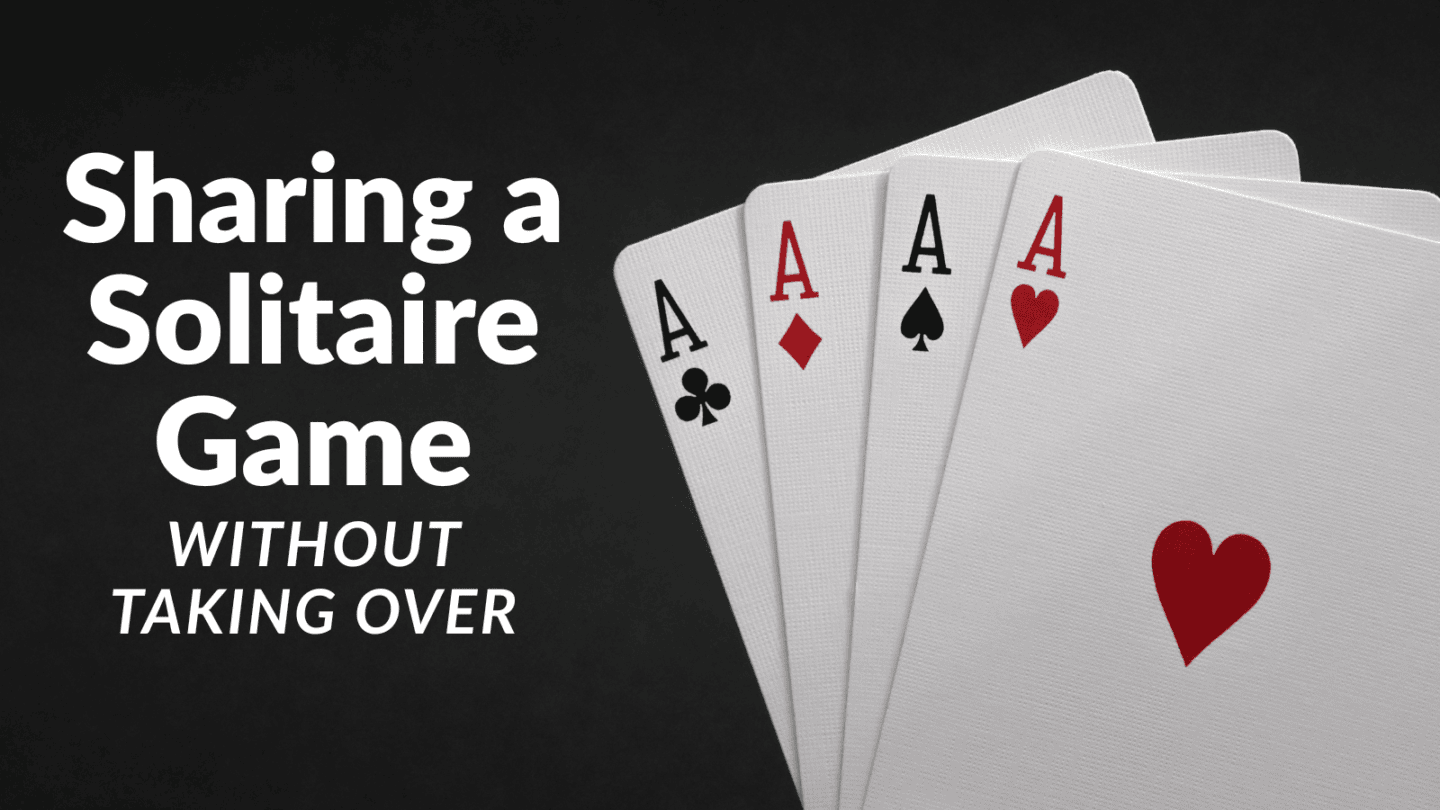
For someone new to Klondike, start with the difference between the two kinds of building. In the seven main columns, cards run downwards in alternating colours. A red seven can sit on a black eight. In the four foundation piles, each suit begins with its ace and builds upwards towards the king. A vacant main column is reserved for a king.
Keep those explanations close to the cards they describe. Pointing out where an ace belongs is more useful than giving a long speech about every possible situation before anyone has played. Once the player understands a rule, leave some silence for them to use it. There is no need to name every available move just because you have noticed it.
Offer Help in a Form the Player Can Choose
There is a difference between “Move that six” and “Would you like a clue?” The first takes over the decision. The second leaves room for a yes or a no. If help is welcome, start small. You might suggest looking at the exposed cards again rather than pointing straight at the answer.
The browser controls introduced at the start can support the same arrangement. Let the player choose whether to request a hint or undo a move. An adult pressing those buttons without asking has simply found a different way to take charge. With physical cards, agree whether you will take back a recent move, then let the player decide when to ask.
Make the Layout Comfortable to Share
A phone that is comfortable for one person may be awkward for two. If you keep leaning over each other to read the cards, try a larger screen or a pack on the table. Check that both people can distinguish the suits and see the cards beneath each exposed one. Choose the arrangement that works for the people present, not the one that looks tidiest.
A physical pack gives you freedom to spread the columns further apart. A browser board removes the need to shuffle and deal. Neither is automatically the better family option. The practical test is whether the player can see what is happening and handle the cards without someone constantly stepping in to rearrange things.
Leave Room for an Unfinished Game
An ordinary deal is not a promise of a win. If the board stalls, avoid turning the moment into a verdict on how carefully someone played. You can look for another move together if invited, start a different deal or stop. Finishing all four suits is the game’s objective, but it need not be the condition for having enjoyed the time.
The same applies when interest fades before the cards run out. Sharing solitaire works best when the company is welcome, and the help is optional. Sometimes the most useful thing an experienced player can do is keep their hands still and let someone else discover the next move.
DISCLOSURE – This is a collaborative post.